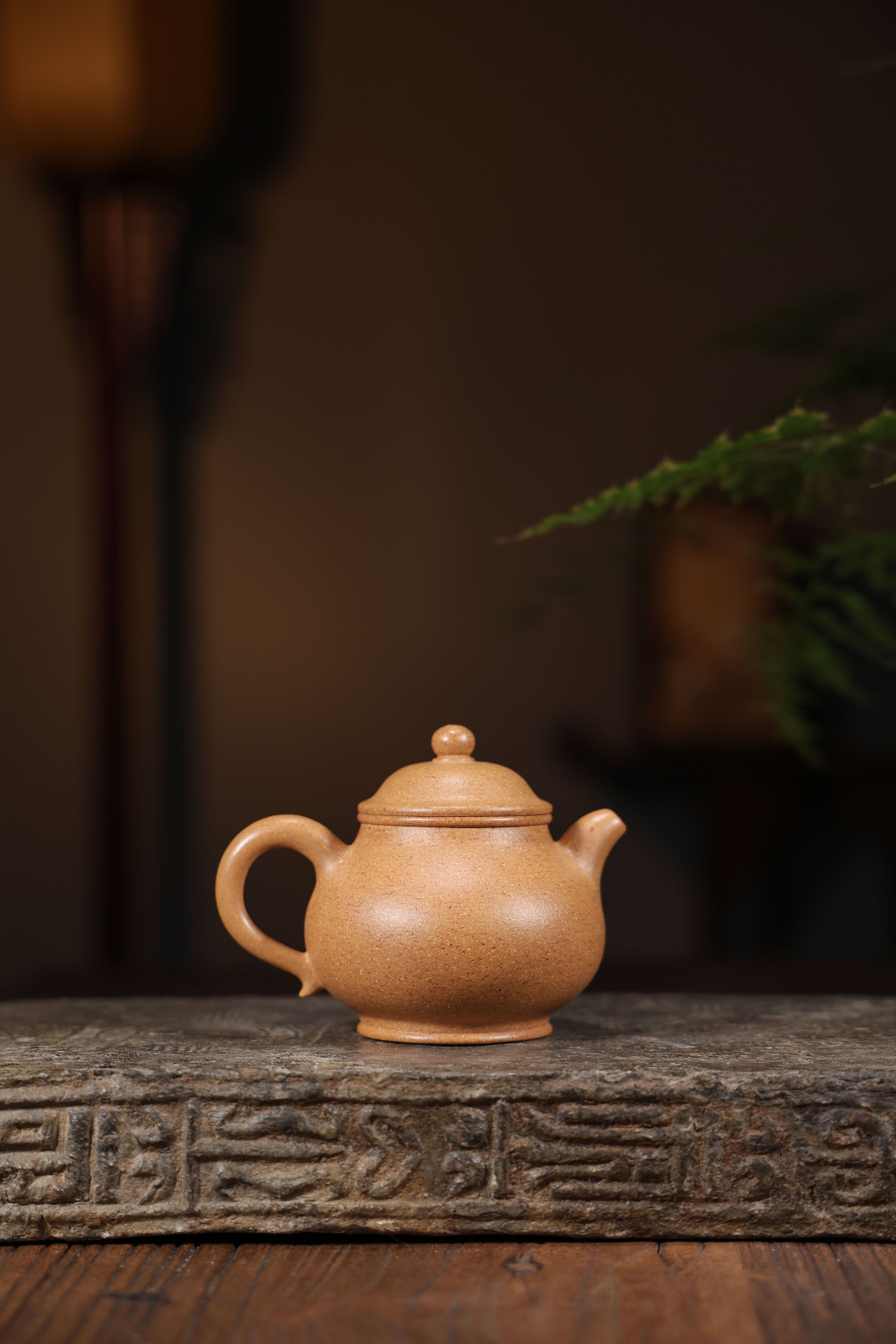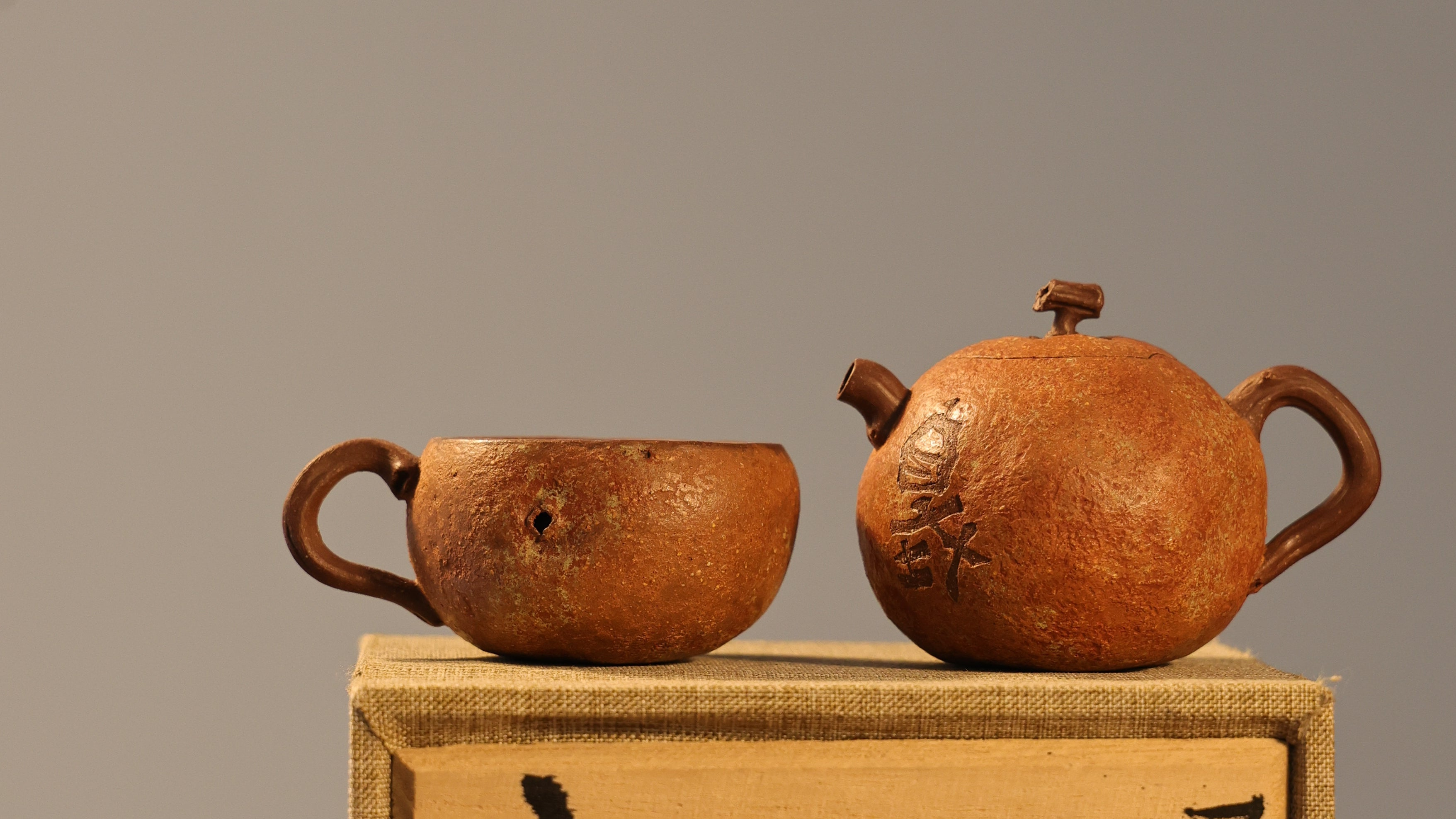
Times in aficionados have yearned the exclusive allure of Yixing Zisha kettles. Emerging in the quaint town of Yixing, the state, these containers are produced from a uncommon and mined purple clay celebrated for its remarkable thermal qualities and ability to amplify the savor of liquids. Aside from their practical value, Zisha teapots illustrate a solid heritage legacy, rendering them markedly esteemed and a real gem for any zealous teapot collector.
Investigating Yixing Clay Pots
Famous teapots illustrate a unusual fusion of history and experienced craftsmanship. Rooted in Yixing, Jiangsu Region of China, their narrative commences in the Ming Dynasty, although traces suggest earlier manifestations. The rare maroon clay, called Zisha, found solely in the Yixing region, is the principal component, contributing to the pots' outstanding heat retention and the manner they shape the aroma of tea. Sequences of potters have enhanced techniques—often passed down through families—including crafting the clay, applying intricate embellishments, and firing the pots at consistent temperatures.- Originally, Yixing teapots were often trimmed with simple designs.
- Over time, more complex carvings and decorative motifs became popular.
- The oven firing itself is a pivotal element, requiring years of practice.
Curating Zisha Teapots: Vital Points
Commencing a journey to accumulate Zisha teapots can be pleasurable, but it’s imperative to grasp what to inspect. Authenticity is paramount; focus on the terrain’s natural color, a earthy reddish-brown is regular. Examine the surface; genuine Zisha has a particular tactile sensation, often noted as slightly textured. The outline should be pleasing and consistent with historical styles, while inscriptions, if present, require careful examination for validity. Don’t resist to consult with qualified collectors or trusted resources – their understanding is invaluable.
A Containers: Surveying the Tradition of the Yixing Purple Earth
Generations have seen Yixing Ming Clay teapots preserve a unique role in Chinese history. These meticulously formed pots, sourced exclusively from the area of Yixing, are celebrated for their identifiable tint, quality, and their ability to enrich the profile of liquids. Many collectors desire antique Yixing teapots, prizing them immensely not only for their aesthetic beauty, but also for the background they reflect.
Yixing Zisha Teapots: Exceptional Ultimate Selections and Their Aspects
Ming Clay teapots, native to the celebrated section of Yixing, the state, are acclaimed for their exclusive clay and remarkable brewing aptitudes. Inside the several Zisha types, the varieties that are highly treasured include Qingtian. Binzhou, known for its vivid purple shade and velvety texture, delivers a soft flavor. Duan Ni clay, recognizable by its brownish color and somewhat grainy feel, is perceived to enhance a robustness. Lastly, Zhuni clay boasts an uncommon maroon tone and can convey a gentle nuance. Each kind offers a individual experience, bringing them remarkably desirable among liquid enthusiasts.
Refining One’s Purple Clay Cup
To realize the beauty of your Yixing teapot, familiarizing oneself with the correct system is key. These clay receptacles, celebrated for their filtering ability, will progressively absorb the soul of the tea you prepare within them. Begin by scraping the container thoroughly with warm water. Then, use only excellent full leaf tea, as lower quality options can ruin the item’s delicate aroma. Always give the leaves to develop completely, and remember that with each brewing, your Yixing pitcher will become increasingly esteemed.
Safeguarding Your Beloved Zisha Piece
Proper management for your Zisha pot is fundamental to safeguarding its beauty and merit. Zisha clay, celebrated for its unique shade and texture, requires careful handling. Never use intense chemicals, Purple Clay Teapot as these can wreck the glaze. After every utilization, rinse the kettle with comfortably warm water and allow it to air out completely.
- Shun soaking the pot for extended intervals.
- At intervals use a soft rag to dress the exterior.
- Think about applying a thin layer of food-grade fat inside the jar after drying, which can reduce staining.
A Beginner's Guide to Yixing Containers
Yixing pitchers, originating from the Yixing area in Jiangsu Province, the Chinese territory, are celebrated for their distinctive qualities. Produced from the unique purple material known as Zisha, these urns are prized by beverage enthusiasts worldwide. This manual will clearly explain the nuts and bolts – covering varieties of Zisha material, typical shapes, and key care advice. Understanding the heritage of Yixing kettles can expand your appreciation for this classic example of Eastern custom.
Technique of Eastern Pots: Focusing on Zisha made in this city of Yixing
Zisha substance from the Yixing territory represents the pinnacle of Yuan vessel design, showing a exclusive compound of raw beauty and valuable artistry. These celebrated pieces are renowned for their rich color schemes, often spanning dark purples and red hues to soft greys and light beiges. The distinct mineral composition of the native Zisha ground imparts a signature texture and generates a satisfying aroma that elevates the total infusion experience, rendering them very desired collectibles and essential components of any serious tea.